...

Phone: 0426 879 898 | Email: info@grannyflow.com.au | Open: Mon–Sat 7 am – 5 pm

granny flow logo

How to Choose the Right Block for a Granny Flat

Thinking of buying a property for a granny flat? We help assess the key site factors before you commit, so there is less guesswork around approvals, constraints, and overall feasibility.
Build on Your Land

Guide

How to Choose the Right Block for a Granny Flat?

GrannyFlow provides a dedicated pre-purchase property evaluation service designed to take the guesswork out of your buying decision. Selecting a suitable block for a secondary dwelling can be complicated, and an uninformed purchase risks significant cost down the line. You do not have to navigate this process on your own — our team draws on extensive building and approval experience to help you understand the planning rules that apply to any property you are considering.

If you have identified a block you are seriously thinking about buying — with the intention of adding a granny flat — we can carry out a detailed remote feasibility review before you commit. Our team will examine the Contract of Sale and assess the key site criteria. Once the review is complete, we will send you a written summary of our findings via email.

Four Things to Investigate Before You Buy

Numerous factors influence whether a granny flat can be approved on a given lot — and those factors directly affect your budget, your design options and your timeline. The four areas below represent the most important checks to carry out on any property you are shortlisting.

Does the block qualify for the streamlined approval pathway?

Since the introduction of the NSW Affordable Housing SEPP in 2009, property owners have been able to obtain granny flat approval through a private certifier — bypassing the council — provided the lot satisfies all Complying Development Certificate (CDC) criteria. This is generally the fastest and most economical route to getting a granny flat approved. More detail on the full approvals process is available on our Approvals page.

CDC Site-Requirement Thresholds:


Lot Size Min. Frontage Max. Site Coverage Max. Total Floor Area (incl. main house) Side Setbacks Rear Setback Min. Landscaped Area
450–600 m² 12 m 50% 330 m² 0.9 m 3 m 20%
600–900 m² 12 m 50% 380 m² 0.9 m 3 m 25%
900–1,500 m² 15 m 40% 430 m² 1.5 m 5 m 35%
> 1,500 m² 18 m 30% 430 m² 2.5 m 10 m 45%


Additional CDC conditions worth checking:

The minimum lot area is 450 m². If a granny flat already exists on the property and you want to build a new one, the existing structure must be demolished first — only one secondary dwelling is permitted per lot.

A primary dwelling (the main house) must already be built on, or formally approved for, the block.

On battle-axe lots, the access handle must be no narrower than 3 m.

What if the block does not fully meet the CDC criteria?

CDC conditions are applied consistently across all of NSW — a property either satisfies every threshold or it does not. If one or more criteria are not met, approval may still be achievable by lodging a Development Application (DA) with the relevant local council. Unlike the uniform CDC rules, DA requirements are set individually by each council through their own Development Control Plans (DCPs) and can vary significantly from one local government area to the next.

Some councils impose additional restrictions that do not appear in the CDC framework. For example, certain councils only permit charged stormwater lines for secondary dwellings, which means a granny flat may not be approved if the block falls away from the street at an angle that would require an absorption pit.

Even if you intend to pursue a DA rather than a CDC, the complying development thresholds remain a useful reference point — many council DCPs mirror these numbers closely, so they give a reliable indication of how much space a granny flat will need on the lot.


Are there any easements or covenants registered against the land?

A Title Search (also called a Certificate of Title) identifies the legal owner or owners of the property and discloses any registered interests that could restrict what you are allowed to build.

Easements grant a third party a right to access or use a defined portion of your land. The most common types are right-of-carriageway easements and stormwater drainage easements. Building over an easement without the proper approvals is not permitted under law.

Covenants are binding obligations attached to the title that regulate how the property may be used or developed. They can dictate the materials and colours permitted on external facades, restrict certain types of structures, or require the maintenance of drainage systems. If a covenant exists on a property you are purchasing, it may be possible to have it removed — either with the written consent of the benefiting party or through an application to the Land and Environment Court (the relevant tribunal in NSW).

Title information in New South Wales is maintained by NSW Land Registry Services. A copy of the title is normally included in the Contract of Sale. If you cannot locate it, a duplicate can be ordered through an online conveyancing search provider.

Does a Sydney Water main run through the lot?

A Sewer Diagram indicates the location of both private drainage lines and any Sydney Water mains within the property boundaries. This document is typically included in the Contract of Sale.

When constructing a granny flat, plumbing is usually connected to the property’s existing private drainage — the simplest and most affordable approach. Main sewer lines located outside the property boundary are not a concern. However, if a main passes through the lot itself, its position may dictate where the granny flat can be placed and introduce additional costs.

Every main sewer line carries a “zone of influence” — a buffer area calculated from the pipe’s depth. If the proposed building location falls within that zone, two options are available:

Option A — Design around the zone of influence. Depending on the buffer width, the position of the pipe and the remaining usable area on the block, it may be possible to reposition the granny flat so that it sits entirely outside the restricted zone. This is almost always the cheaper path.

Option B — Build within the zone of influence. Because Sydney Water owns and protects the pipe, any construction within the buffer requires a sewer encasement — the main is enclosed in concrete for the full length of the building that overlaps the zone, plus one additional metre on each side. For instance, if the granny flat encroaches on the zone for 6 m, a total of 8 m of sewer encasement would be required.

A main sewer running through the proposed build area does not mean the project is unviable. Our designers are experienced at producing efficient floor plans that minimise overlap with the zone of influence and keep encasement costs to a practical level.

How is the land zoned, and are there any environmental overlays?

A Section 10.7 Certificate (formerly known as a Section 149 Certificate) is a planning document that summarises the development potential and restrictions applicable to the property. It is generally found within the Contract of Sale.

The certificate will confirm whether the property is residentially zoned (a prerequisite for a secondary dwelling), whether the land is classified as bushfire-prone, whether it sits within a flood-affected area, and whether any heritage listing applies to the site or its surroundings. Each of these overlays can influence the approval pathway, the design requirements and the overall project cost — so reviewing the 10.7 early in the purchasing process is essential.

Download Useful Documents

Completed Projects

Recent Granny Flat Projects Across Sydney

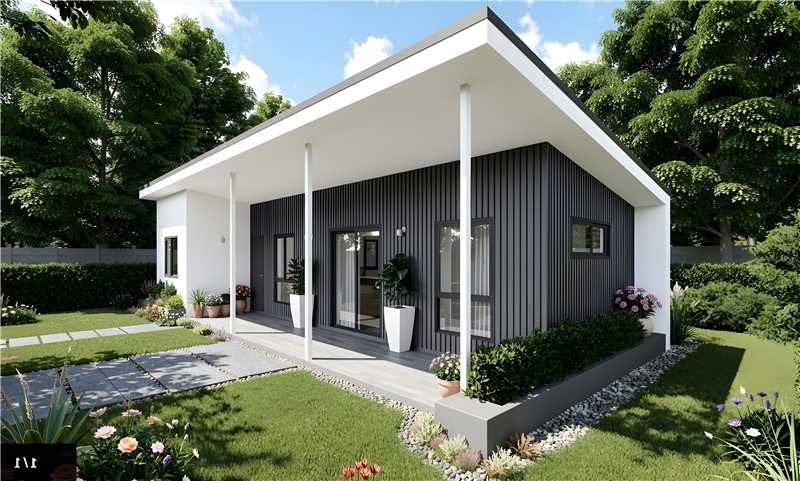
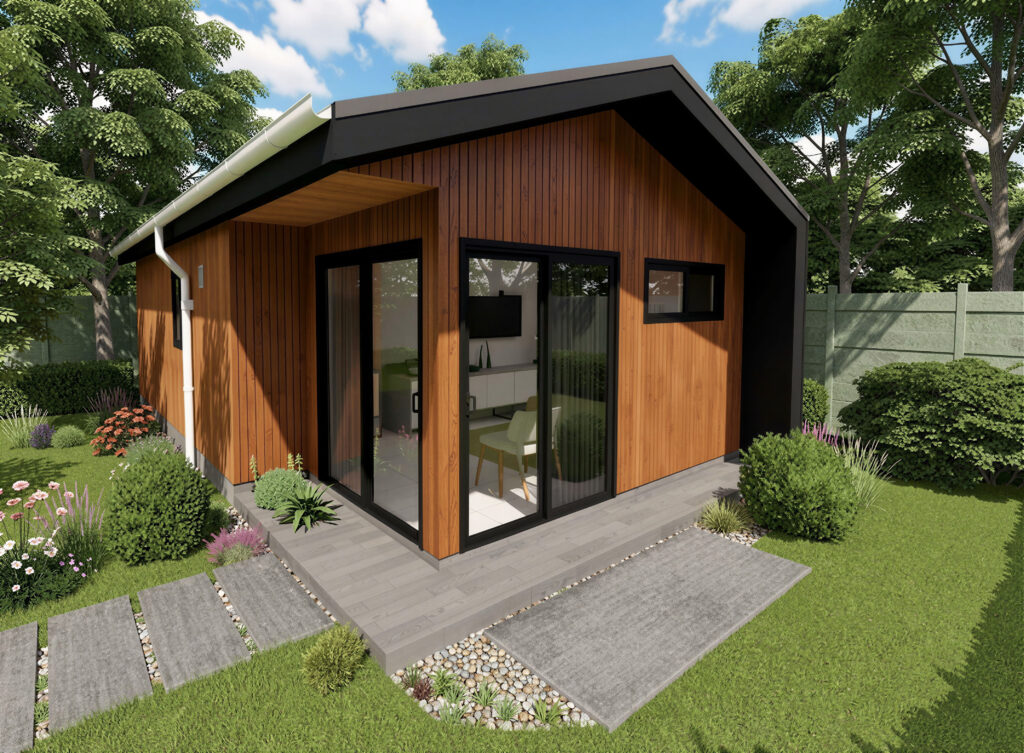
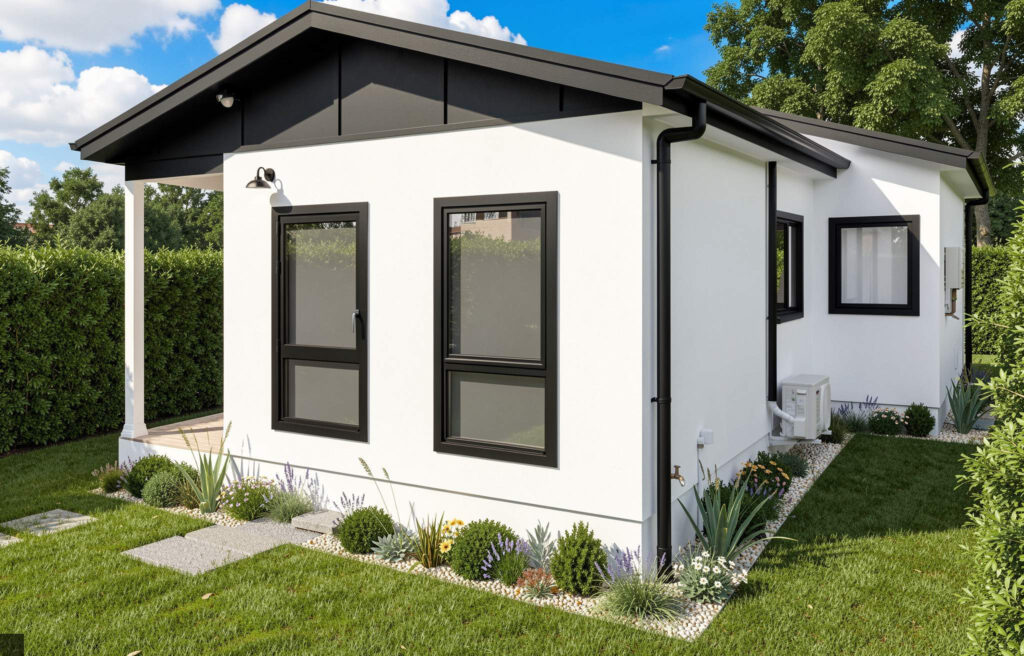
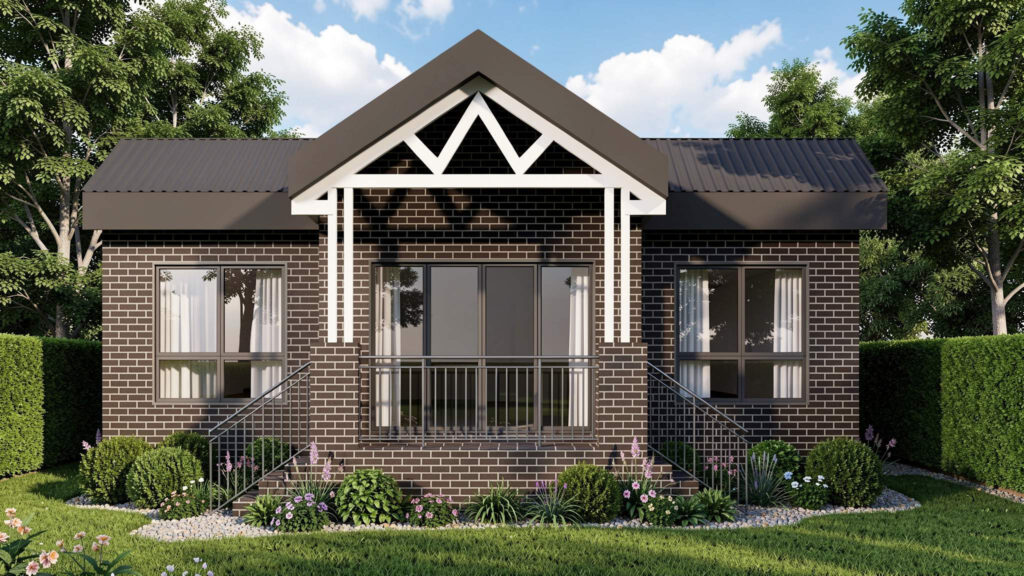
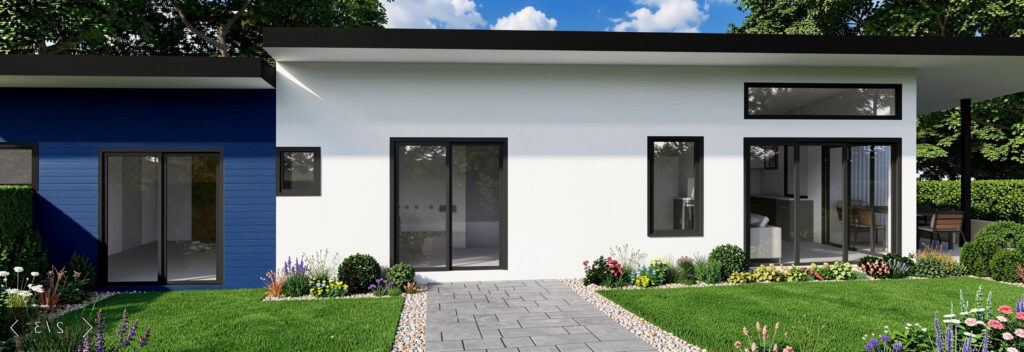
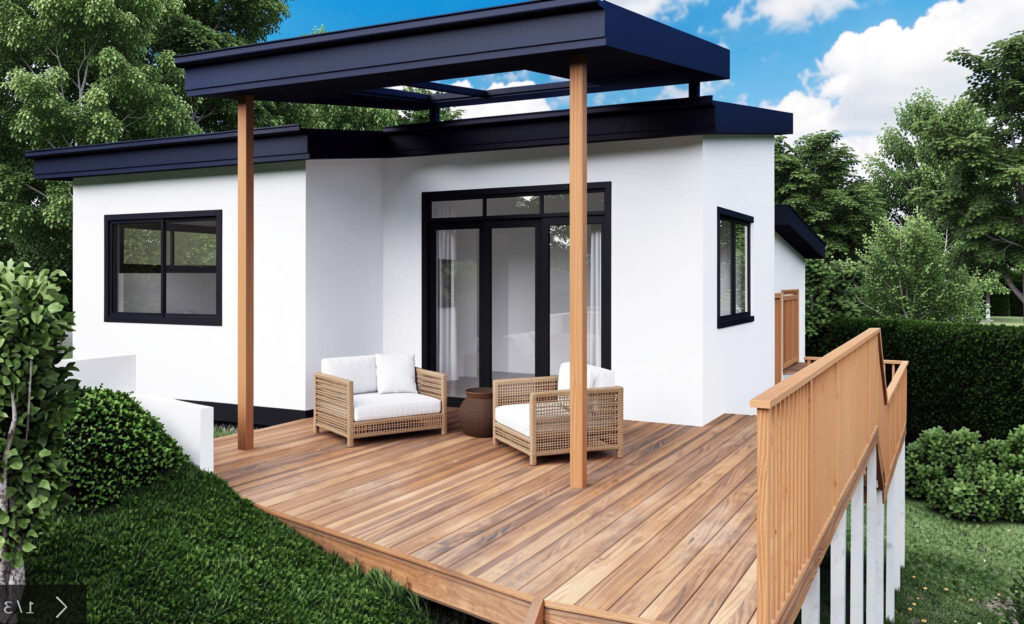
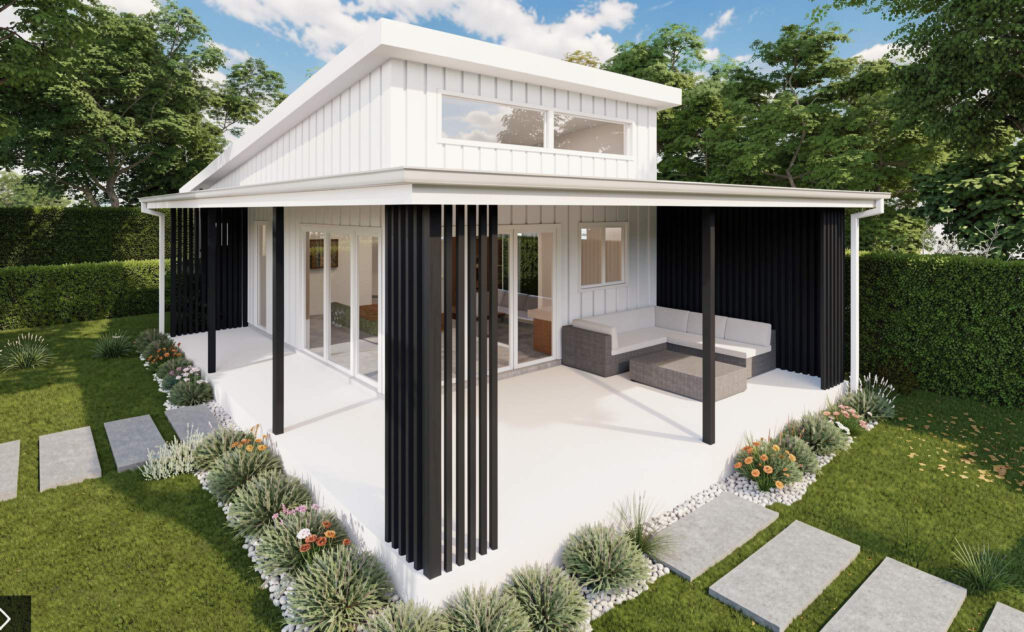
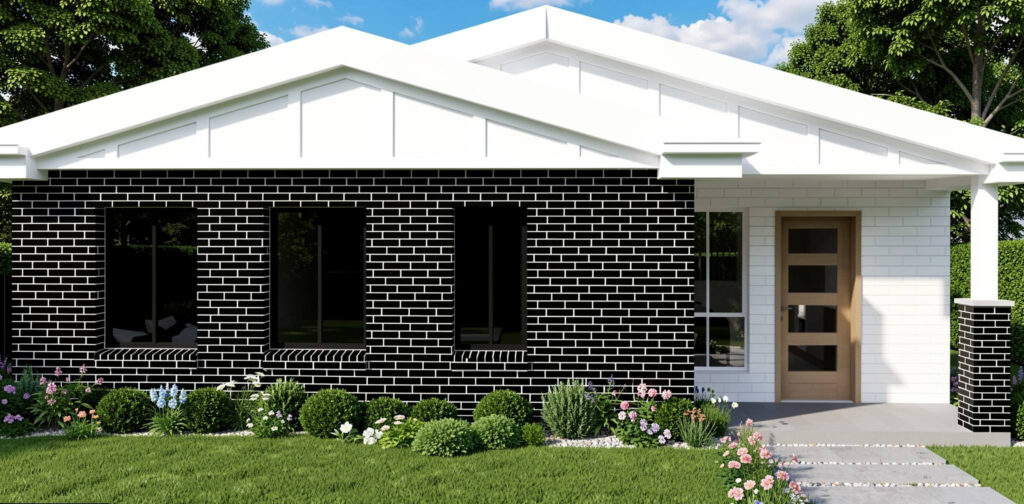
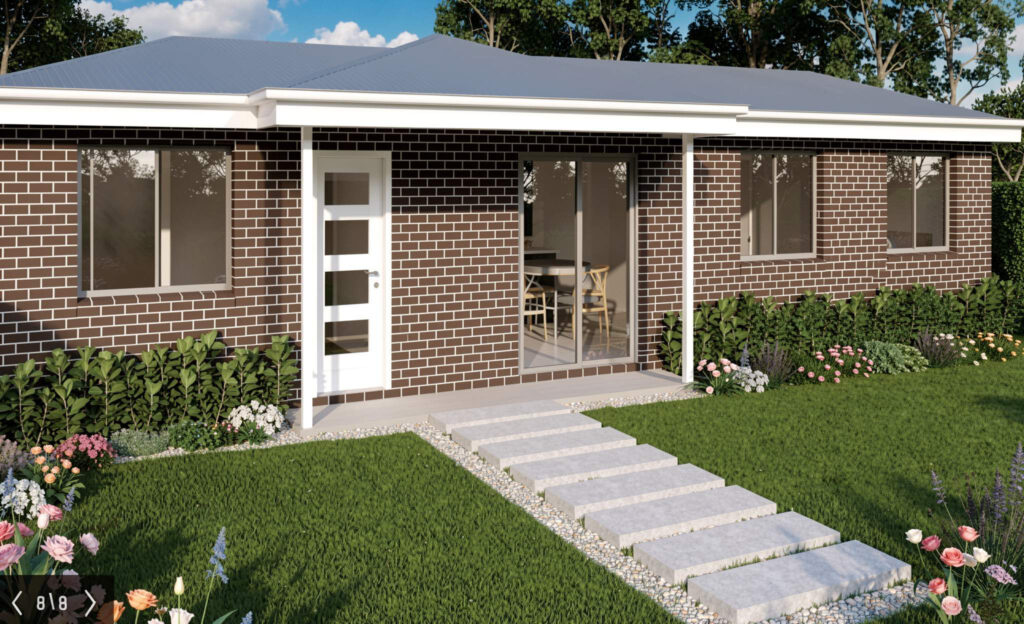
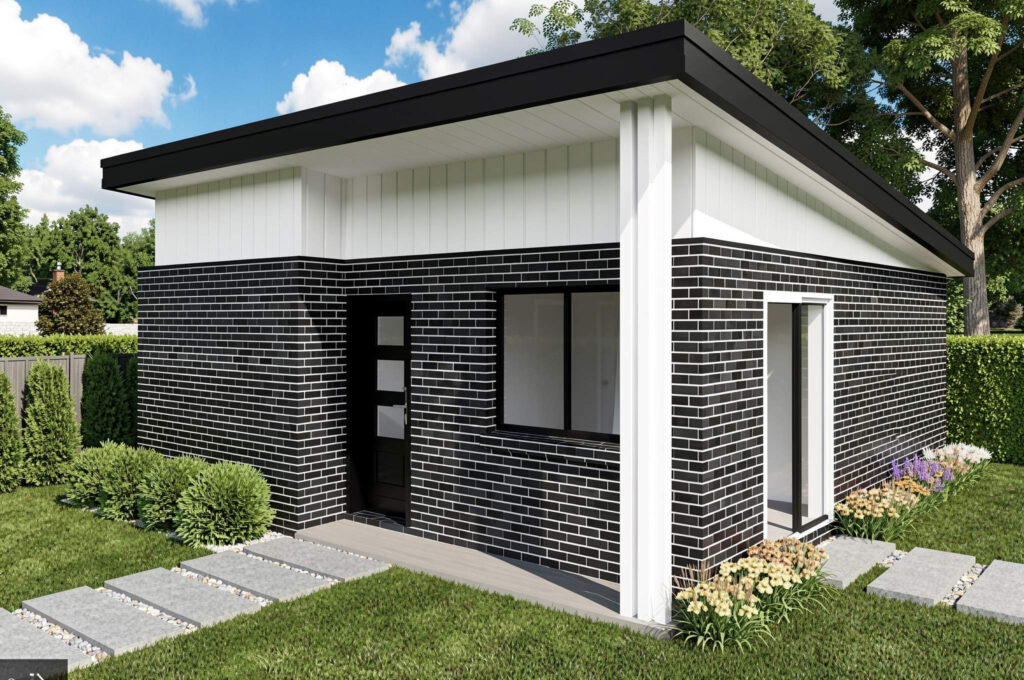
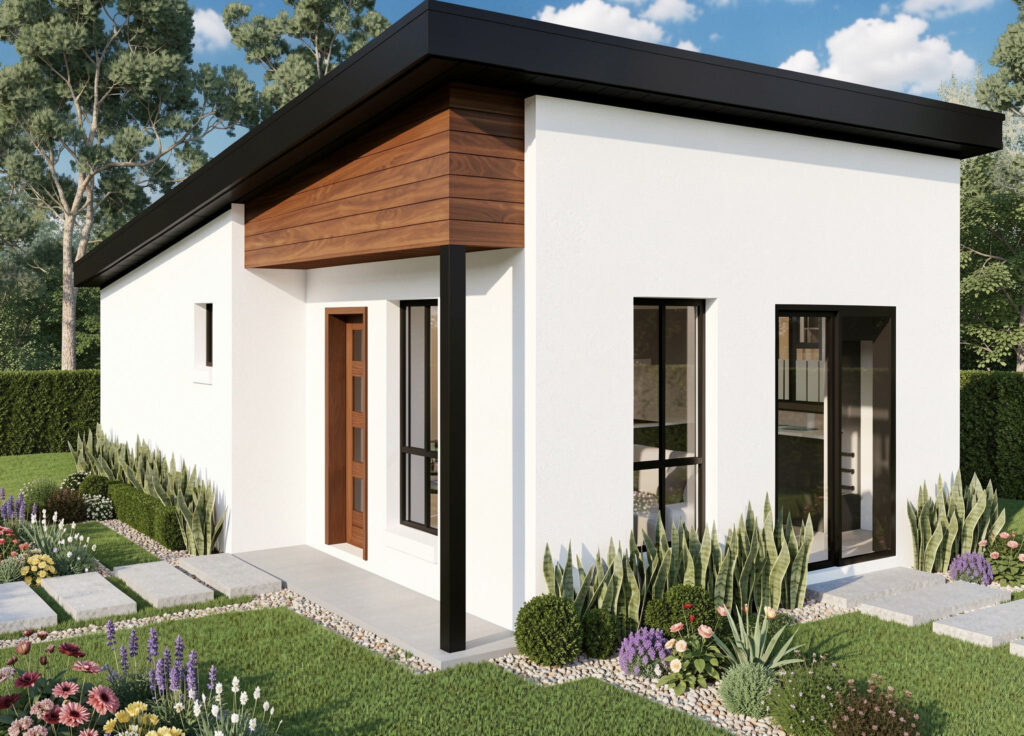
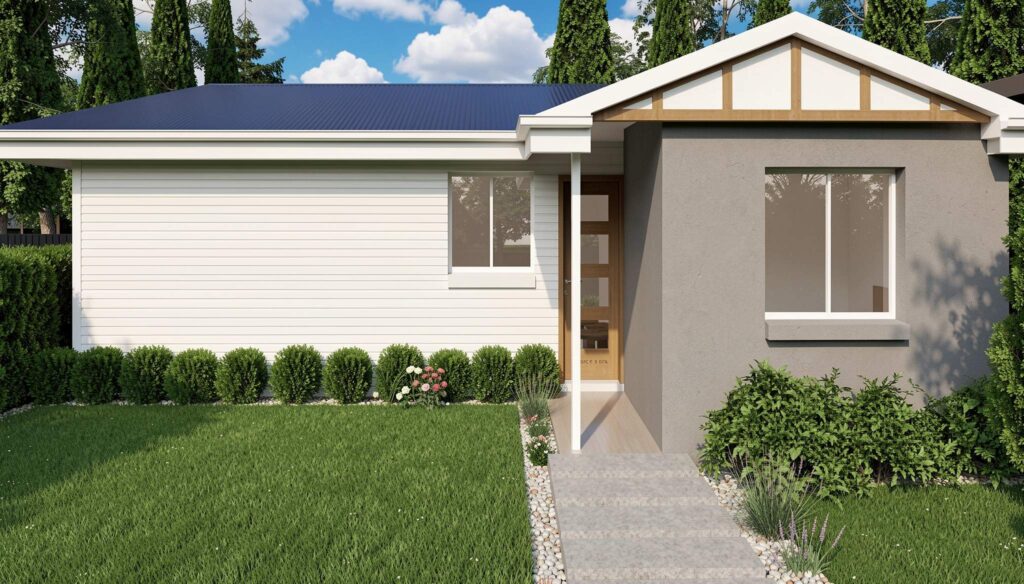
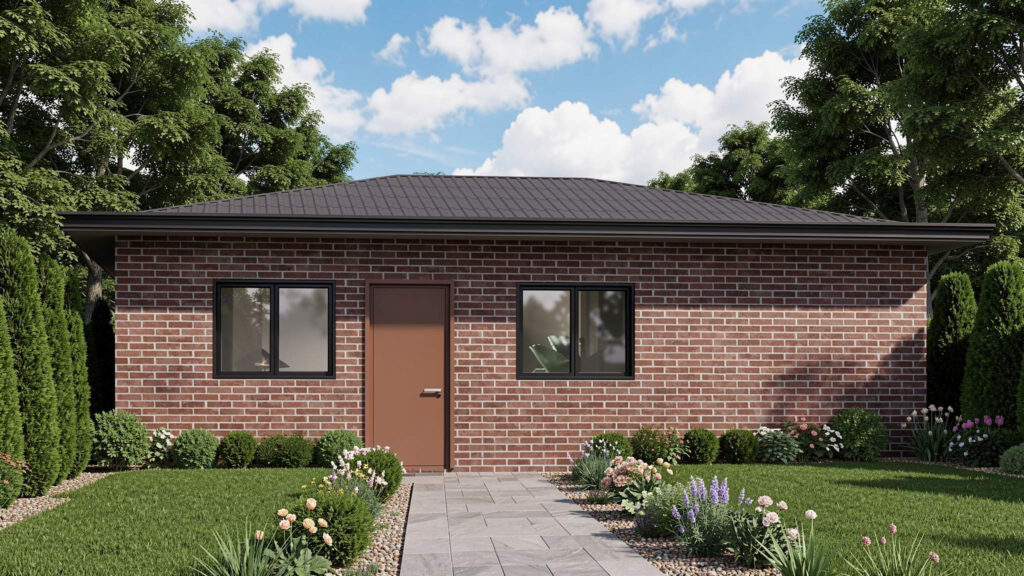
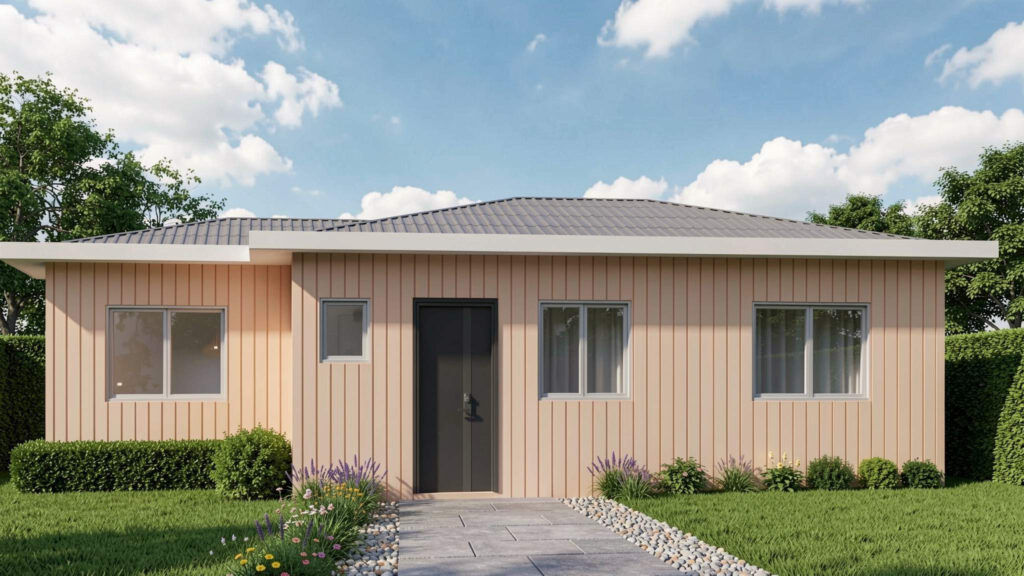
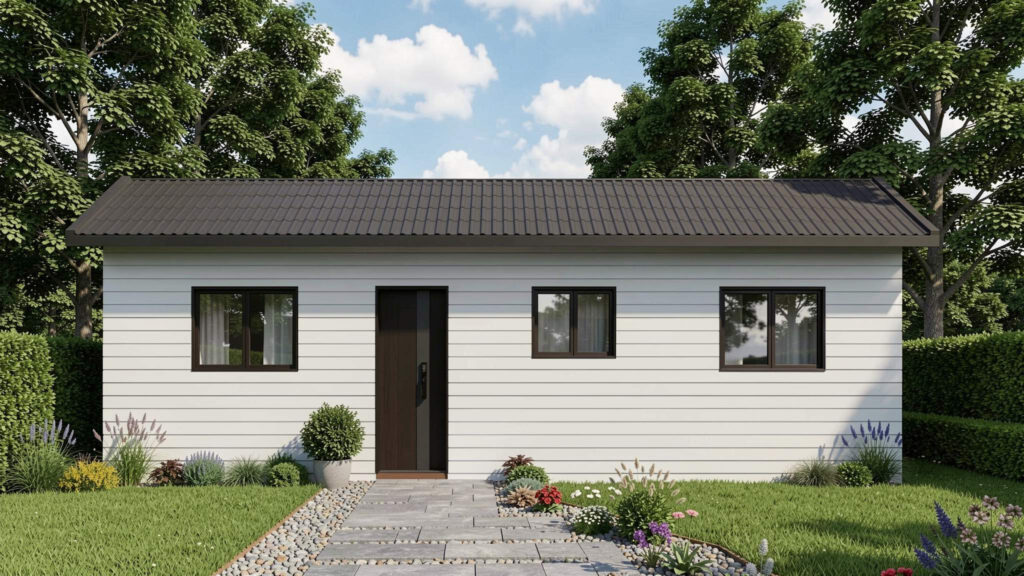
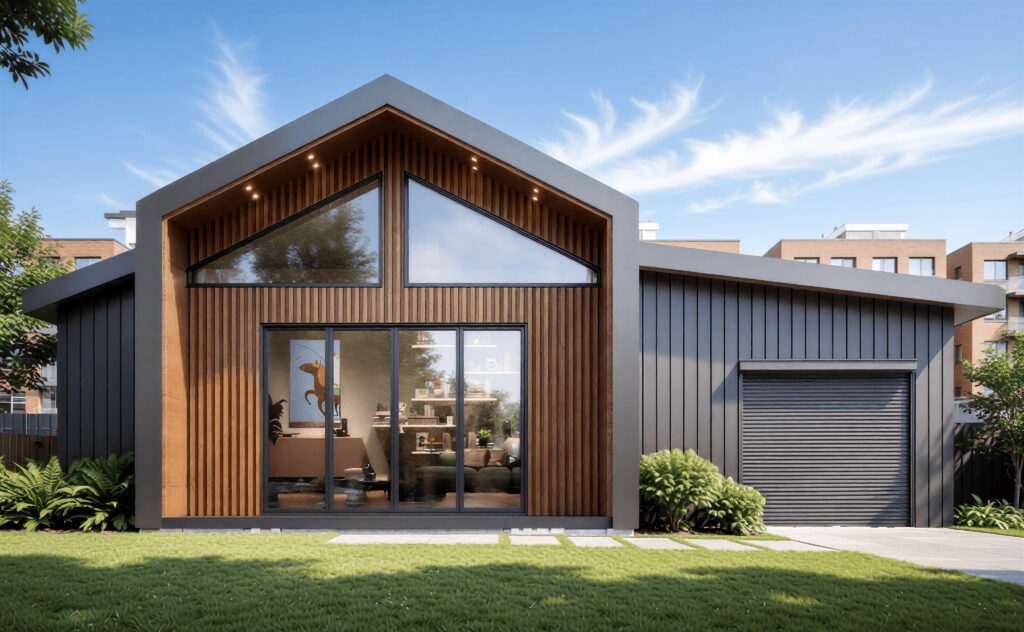
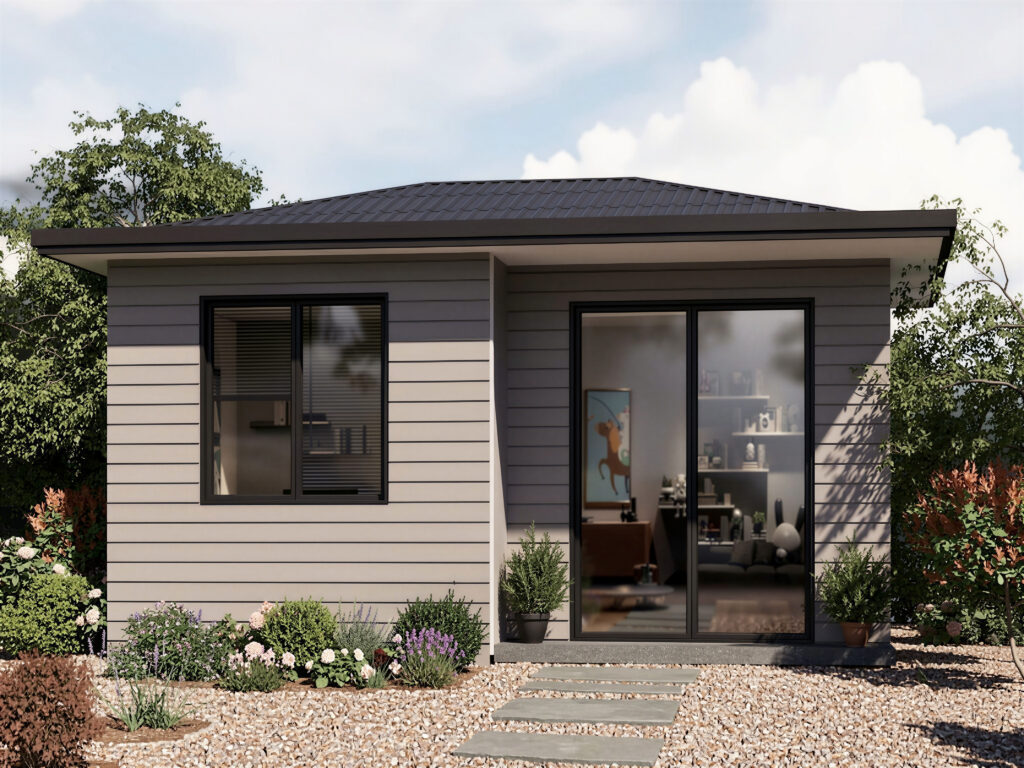
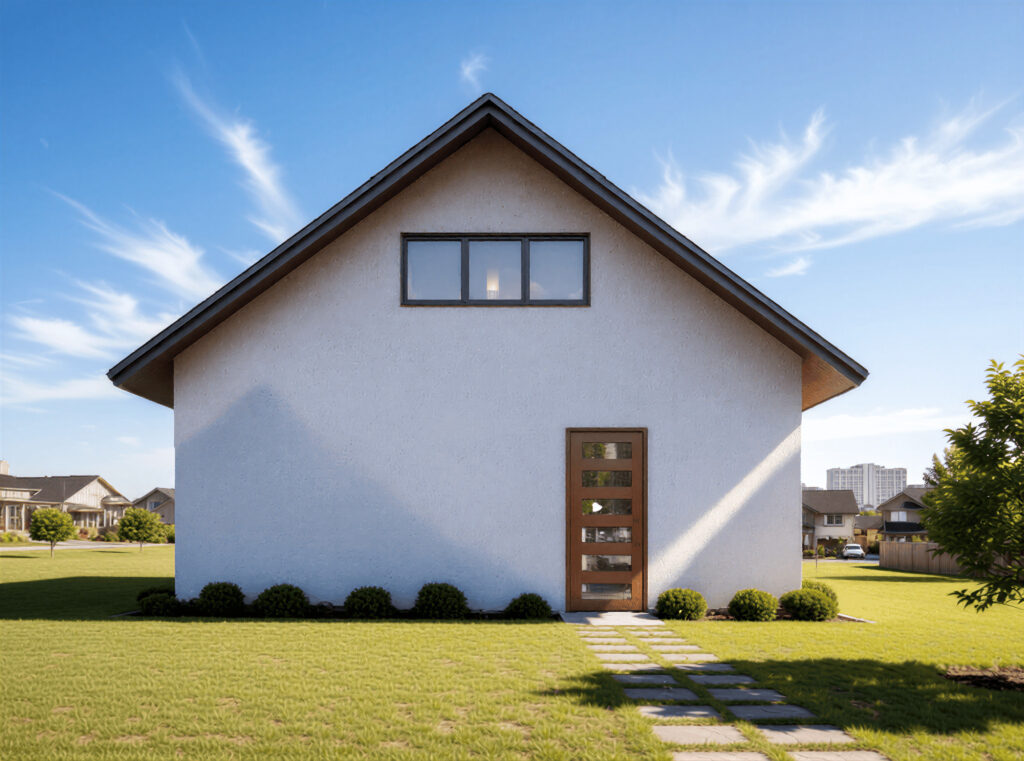
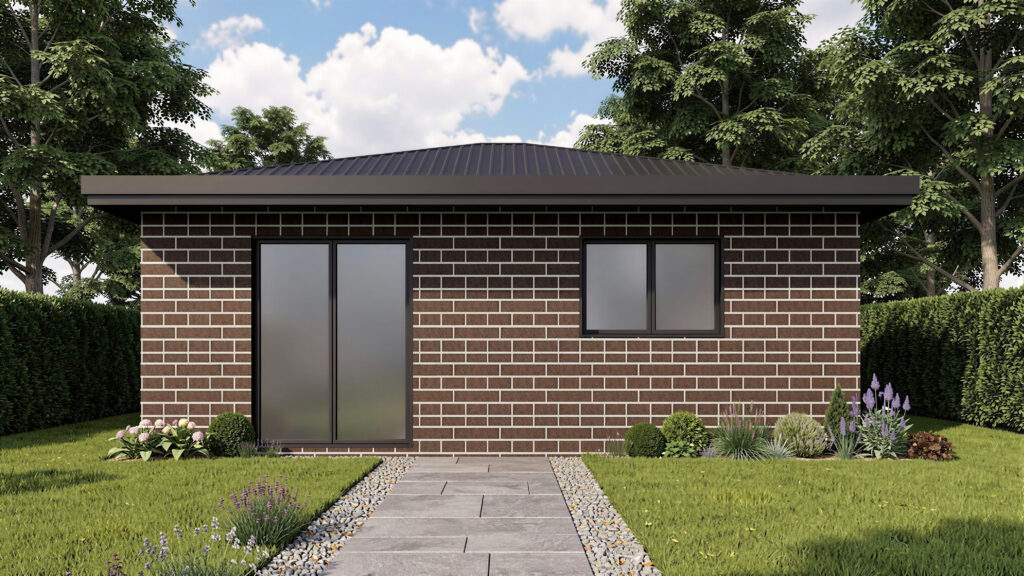
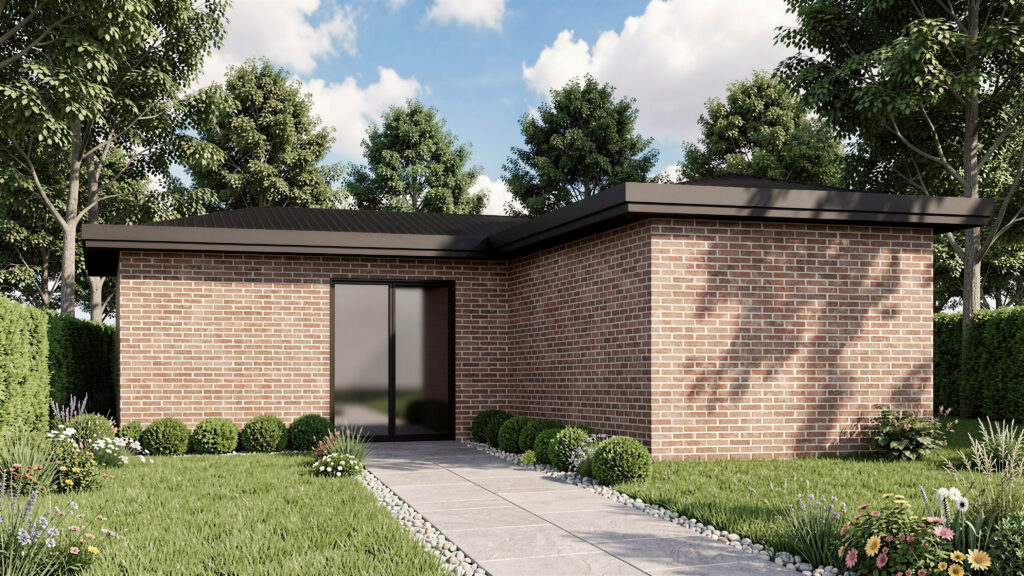
Each GrannyFlow project begins with a detailed understanding of the homeowner’s property, goals and constraints — from investment-focused one-bedroom builds to larger family homes across Sydney’s Western suburbs, Inner West and beyond

Seraphinite AcceleratorOptimized by Seraphinite Accelerator
Turns on site high speed to be attractive for people and search engines.