...

Phone: 0426 879 898 | Email: info@grannyflow.com.au | Open: Mon–Sat 7 am – 5 pm

granny flow logo

Granny Flat Approval Sydney

Two formal pathways exist for getting a granny flat approved:

Development Application (DA)
A traditional submission assessed and determined by your local council.
Complying Development Certificate (CDC)
A faster, criteria-based approval issued by an accredited private certifier under the Affordable Rental Housing SEPP (2009).

Approvals

CDC Approval Granny Flat Complying Development Certificates

The Affordable Rental Housing SEPP was introduced by the NSW State Government in 2009 to accelerate the delivery of secondary dwellings across Sydney and beyond. It established a defined set of criteria: if a proposed granny flat meets every requirement on the list, a private certifier is authorised to approve the project — typically within approximately 14 days of lodgement (subject to documentation and compliance) without the application needing to pass through council.

The criteria span lot dimensions, street frontage, floor area caps, boundary setbacks, maximum building height, landscaped area ratios and a number of additional conditions. Private certifiers must apply these rules precisely — they have no authority to grant variations. If even a single control cannot be satisfied, the project must be redirected to a DA.

To illustrate: the SEPP requires a minimum frontage of 12 m for lots under 900 m². A property measuring 11.99 m across the front cannot receive CDC approval and would need to be assessed by council instead.

GrannyFlow has deep expertise in CDC submissions and can advise whether your property is likely to qualify — often before the first site visit.
Detailed CDC requirements

DA Approval Granny Flat Development Applications

When a property falls outside the CDC criteria, a DA submitted to your local council is the alternative. Each council operates under its own Development Control Plan (DCP), which means setback allowances, height tolerances and notification requirements can differ significantly between neighbouring LGAs. The DA process typically takes between two and six months, depending on the complexity of the proposal, the council’s workload and whether neighbour objections are raised.

The trade-off for the longer timeframe is flexibility: councils can exercise discretion and approve designs that a private certifier would be unable to sign off.

GrannyFlow prepares and lodges DA submissions regularly. We coordinate and manage every document, drawing and correspondence so you can stay focused on the bigger picture

Detailed CDC requirements

How Long Does Granny Flat Approval Take in Sydney?

Typical approval timeframes are approximately 14 days for CDC (subject to documentation and compliance). DA applications generally take between two and six months, depending on council workload, neighbour submissions and design complexity.

Construction timelines generally range from 4–5 months depending on site conditions, design complexity and external factors. Our team manages both pathways end to end so you can focus on the bigger picture.

CDC Approval
Application → Certifier Review → Approval (~14 days)
DA Timeline
Application → Council Assessment → Public Notification → Approval (2–6 months)

Completed Projects

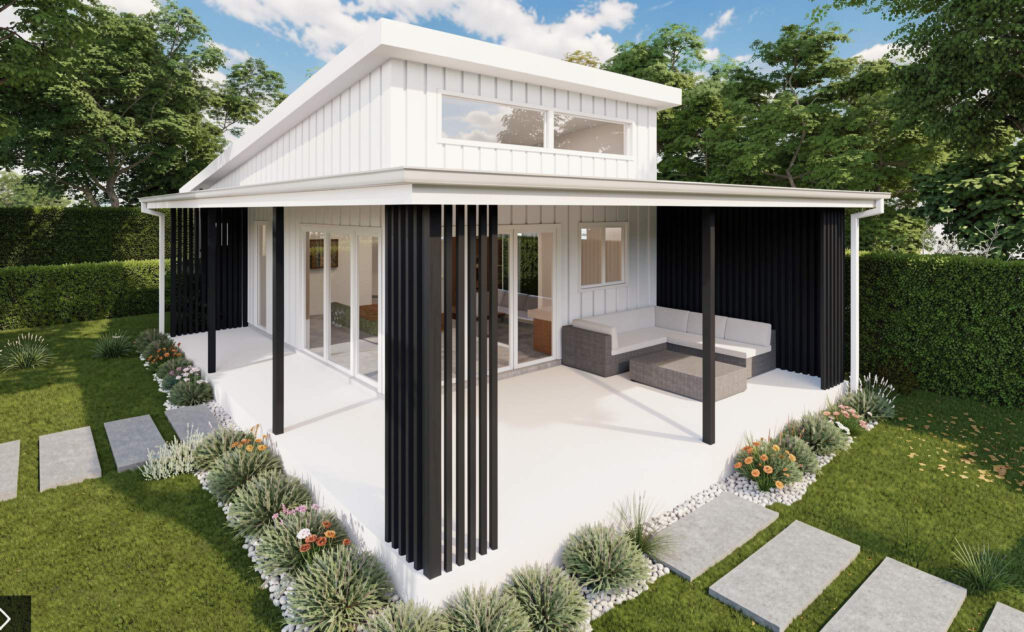
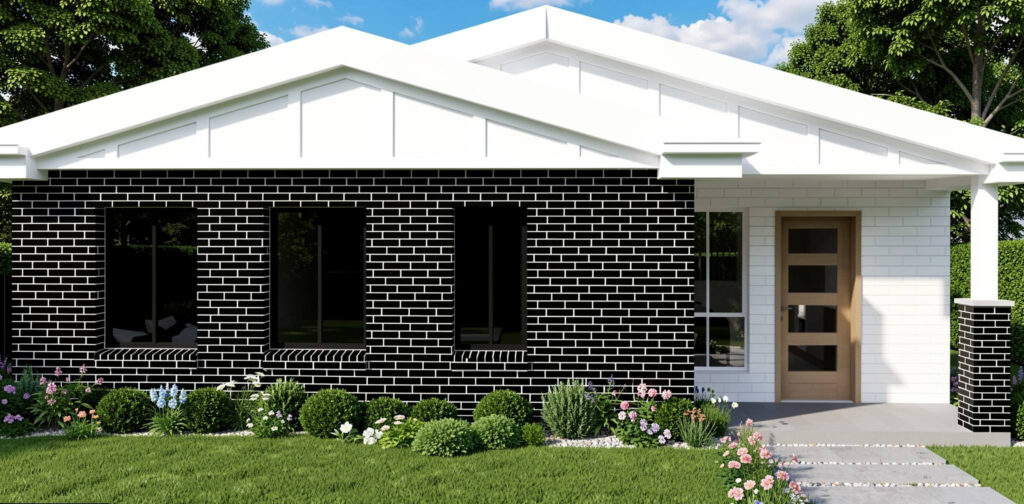
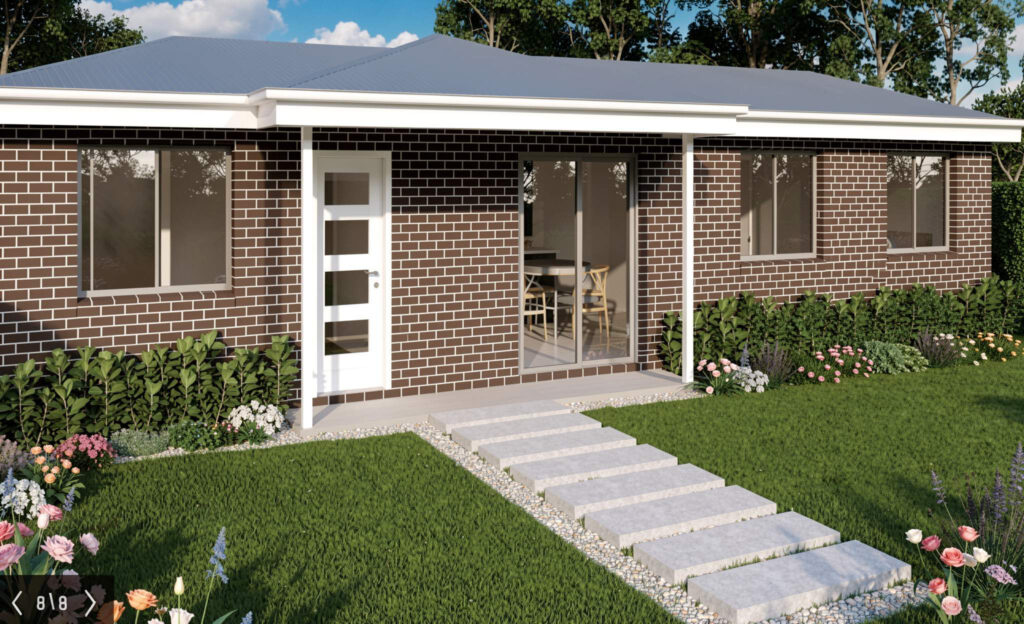
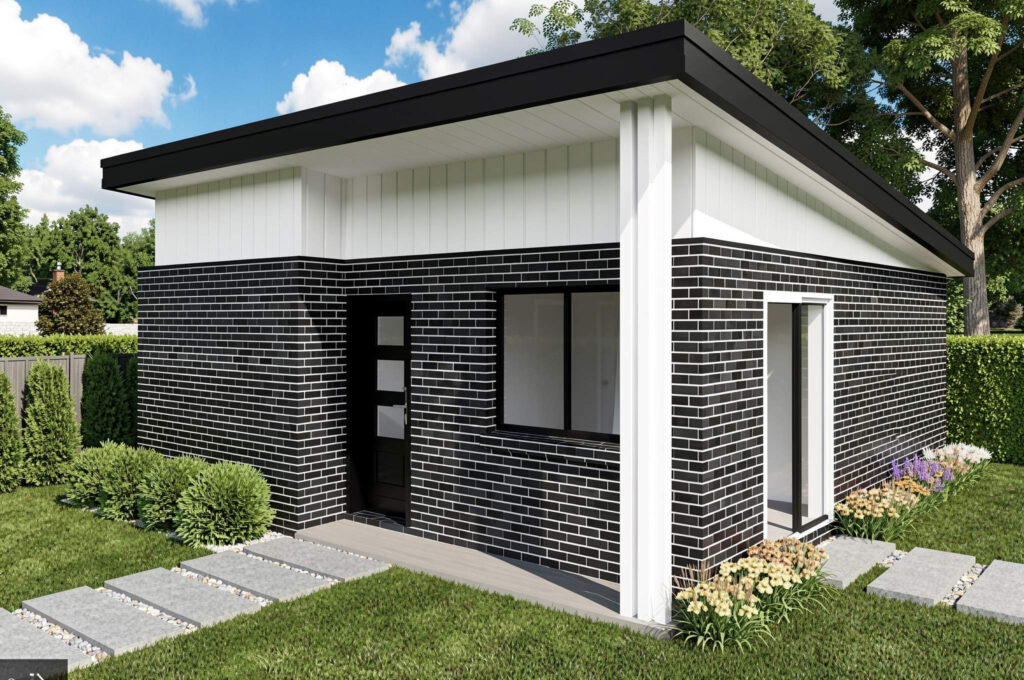
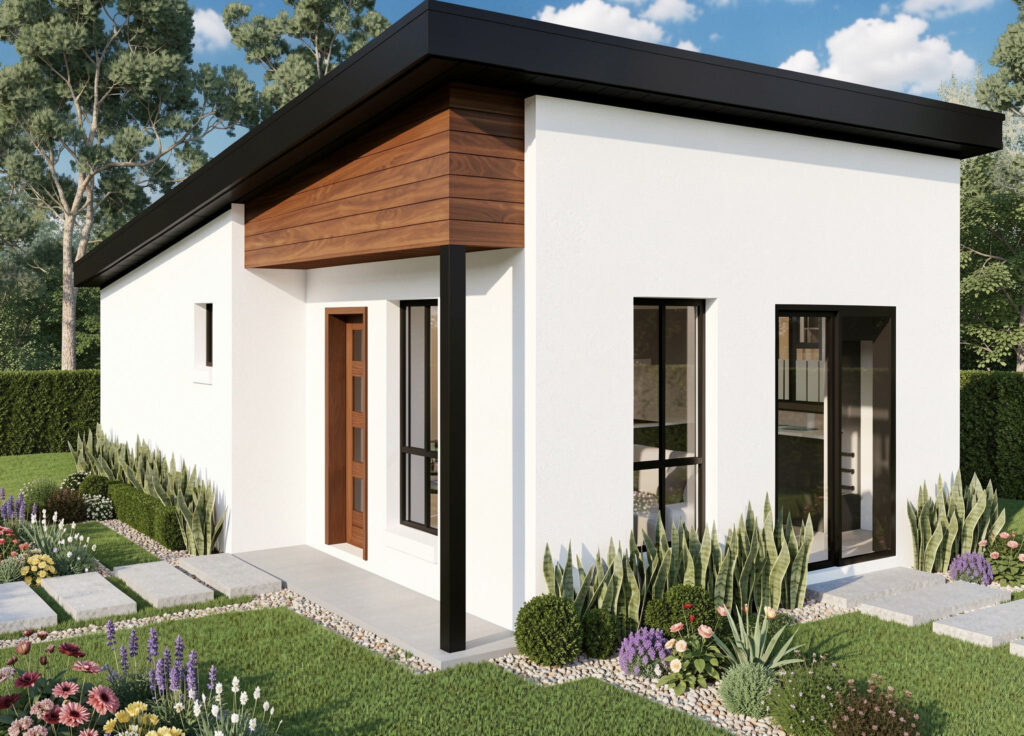
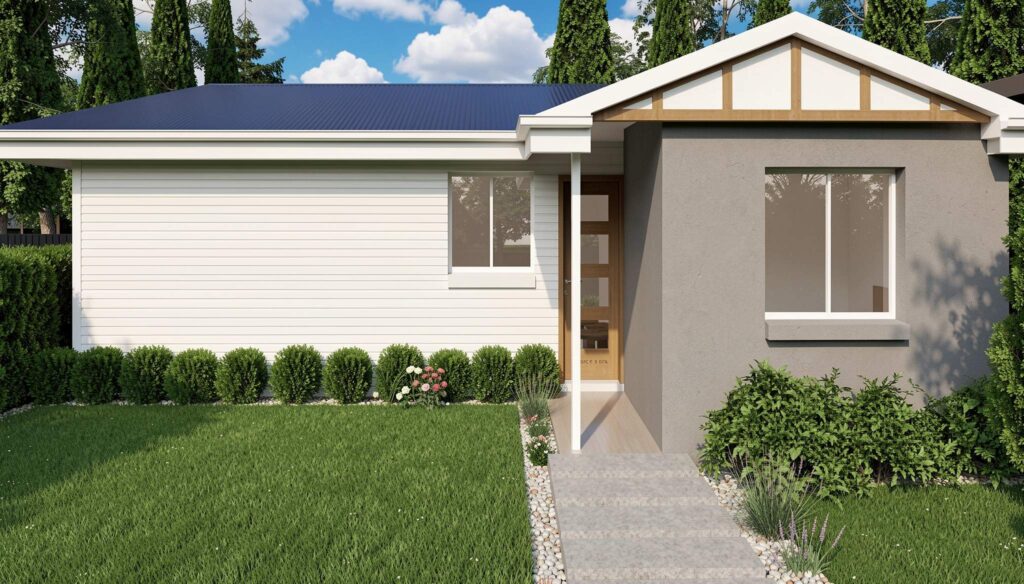
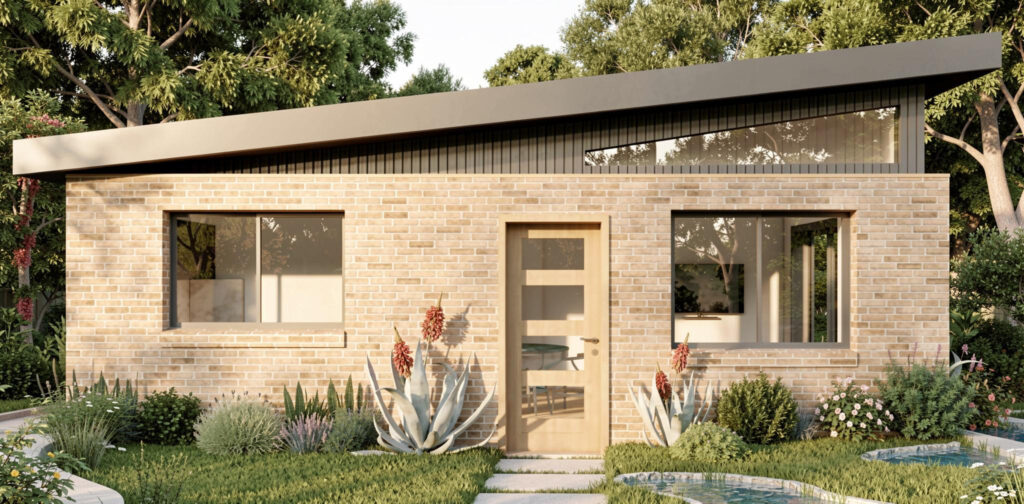
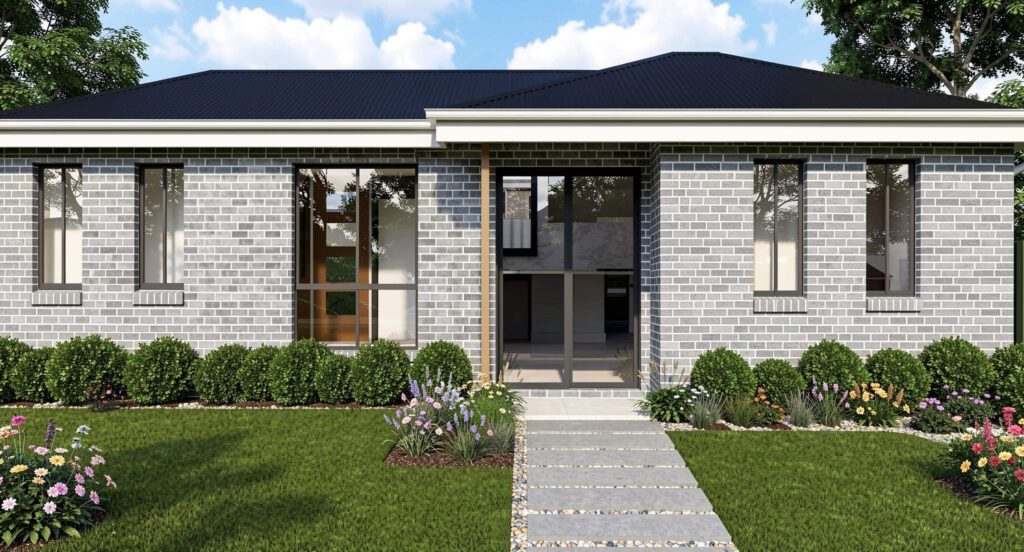
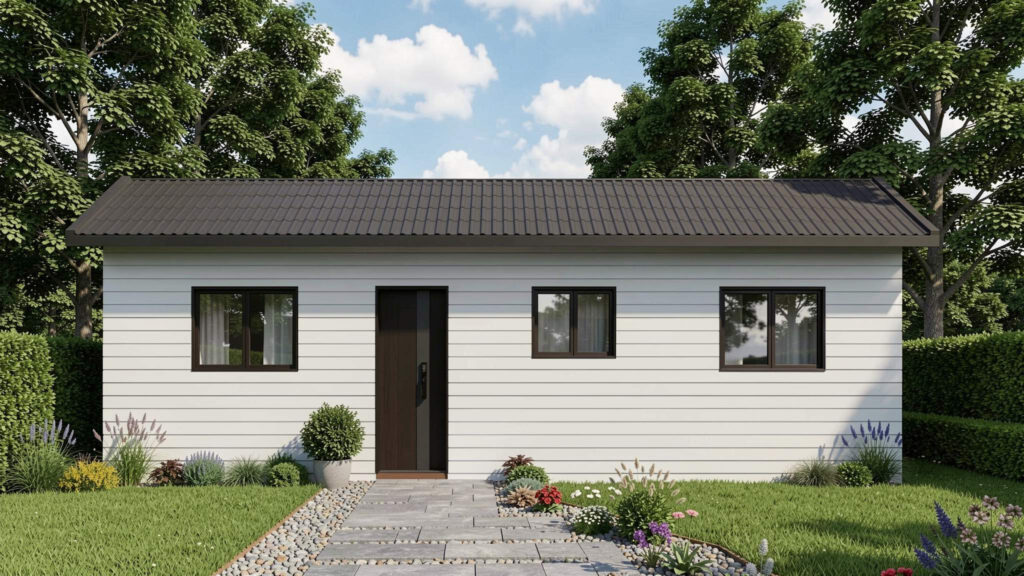
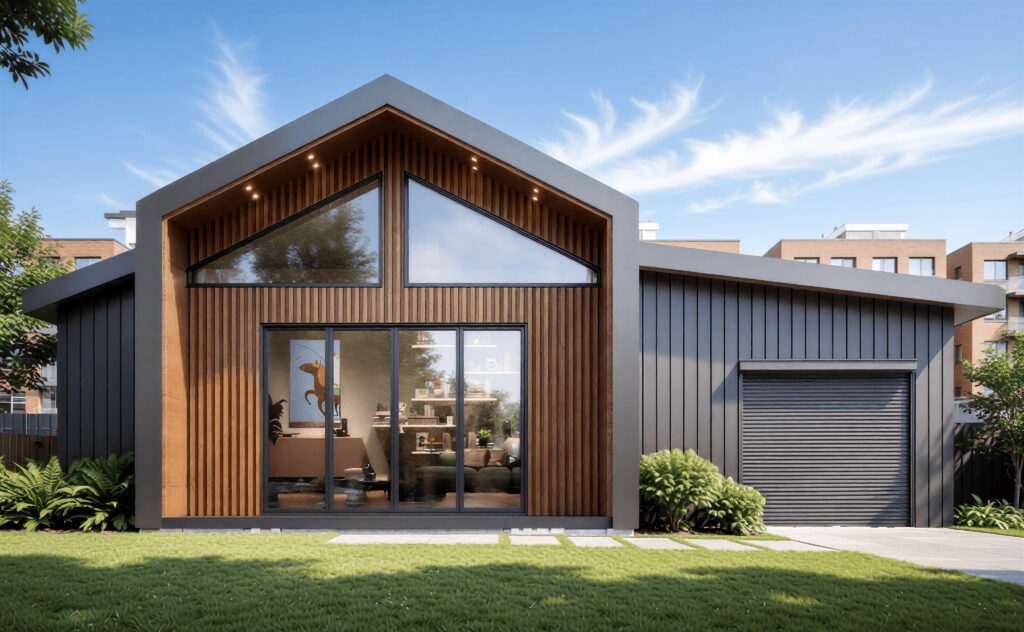
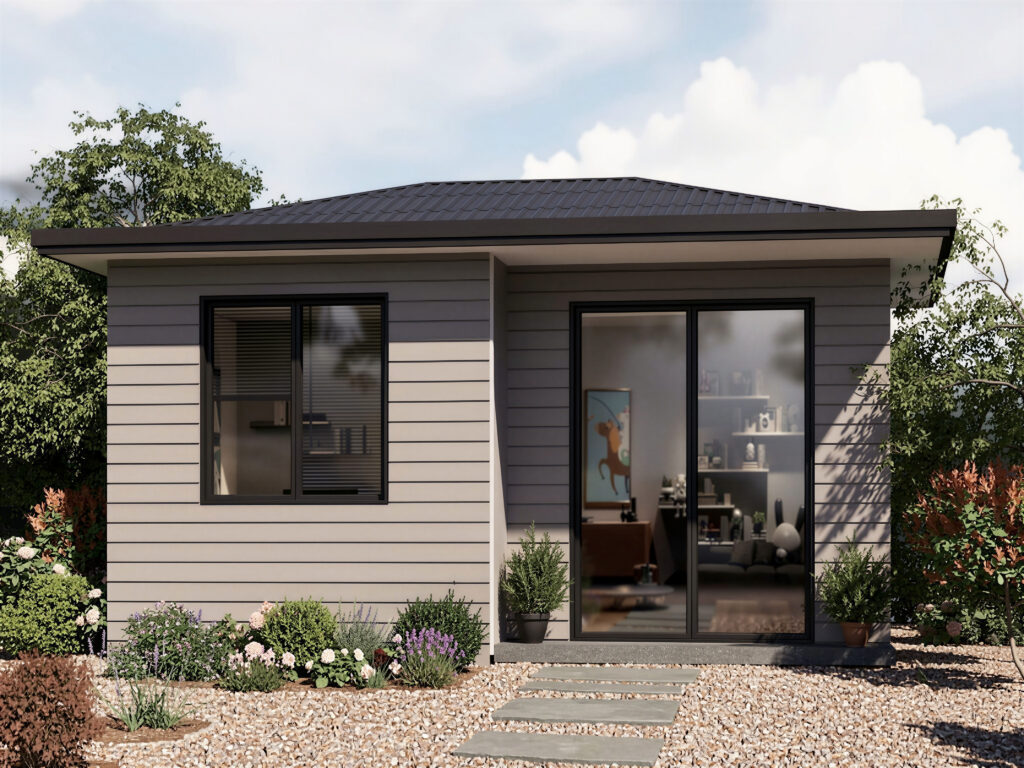
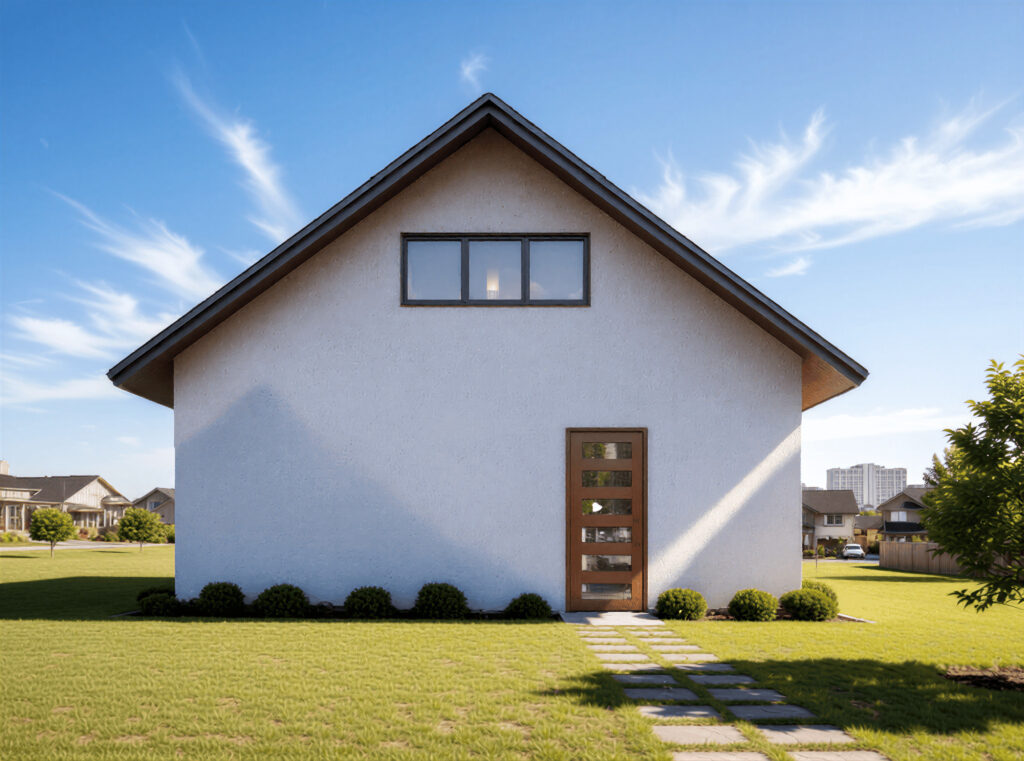
Recent Granny Flat Projects Across Sydney

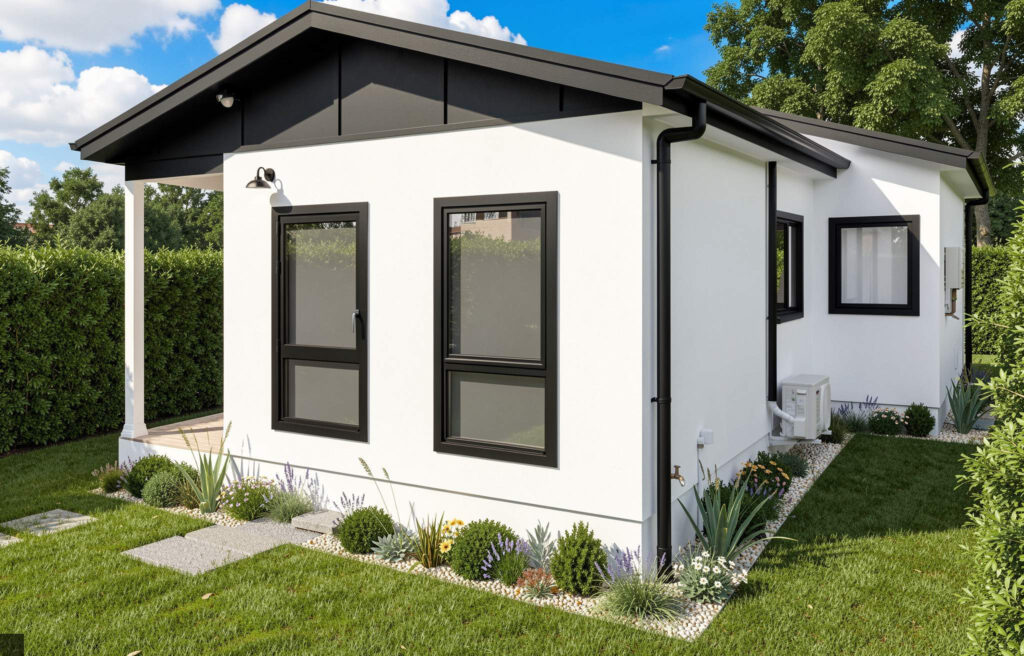
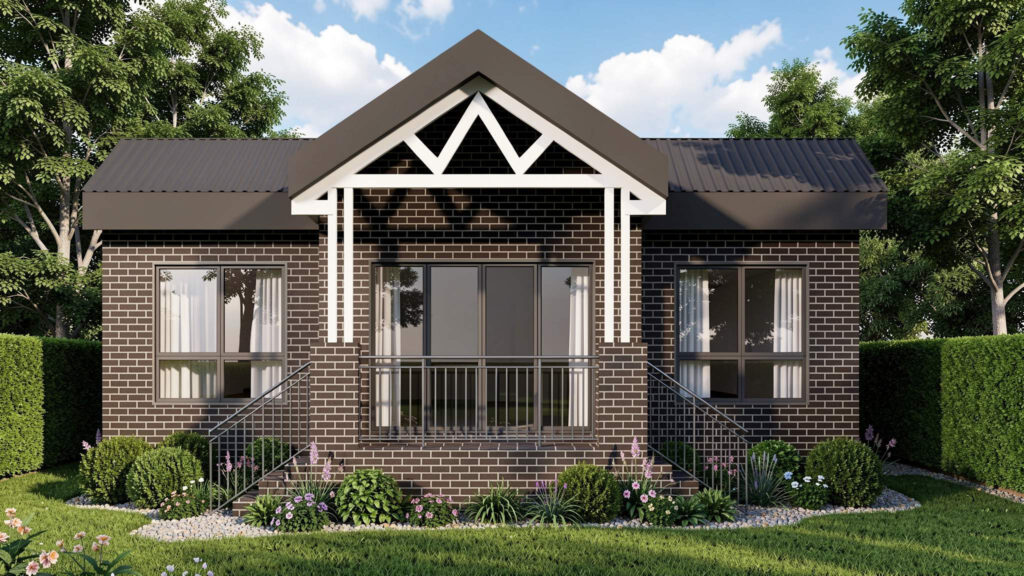
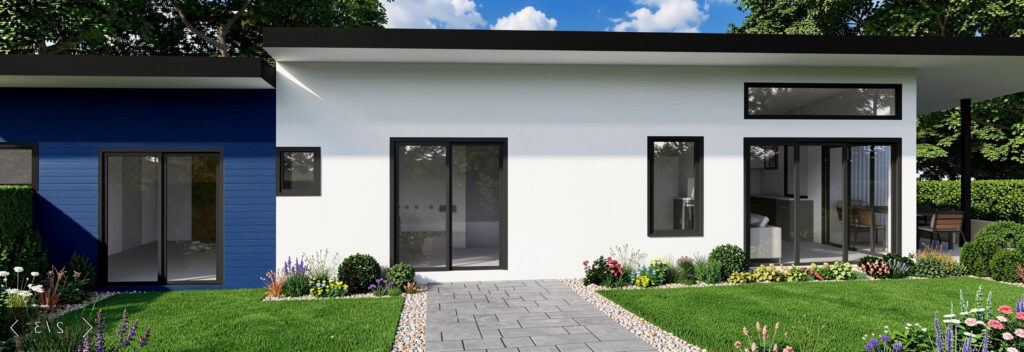
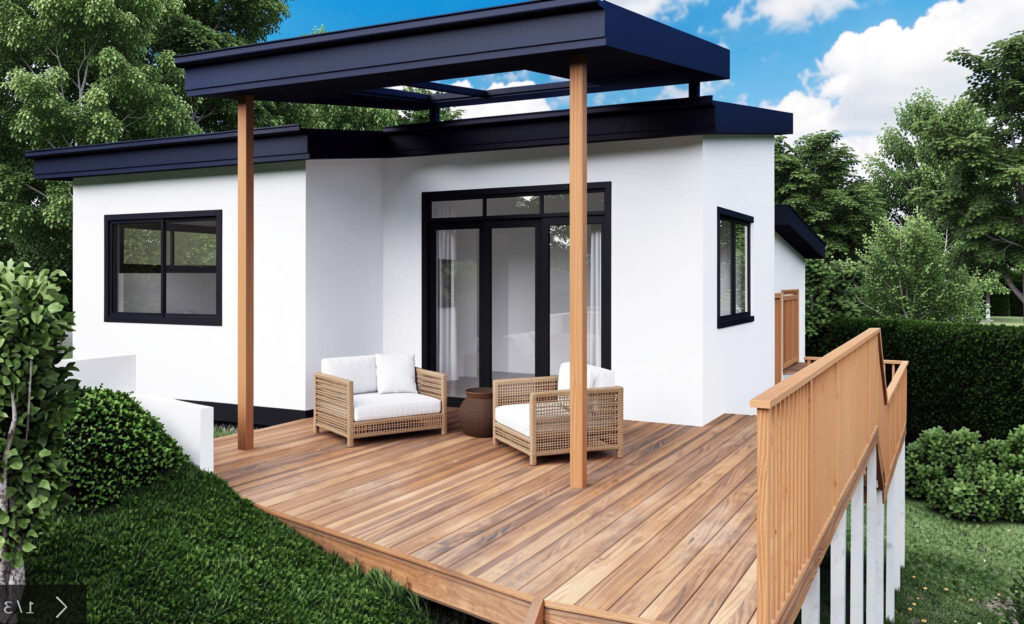
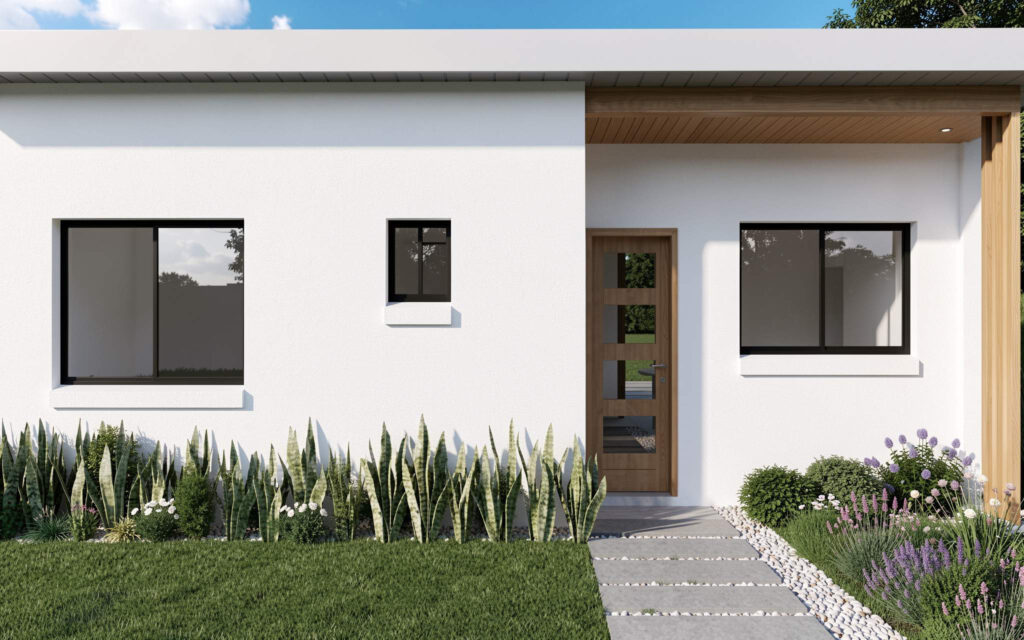
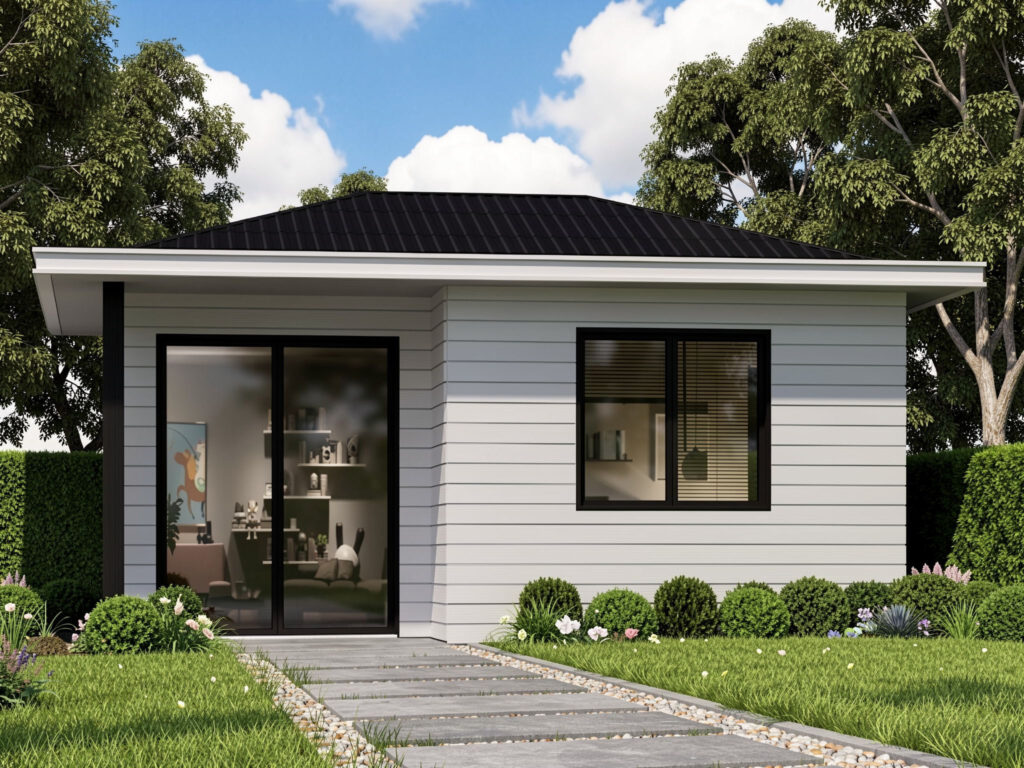
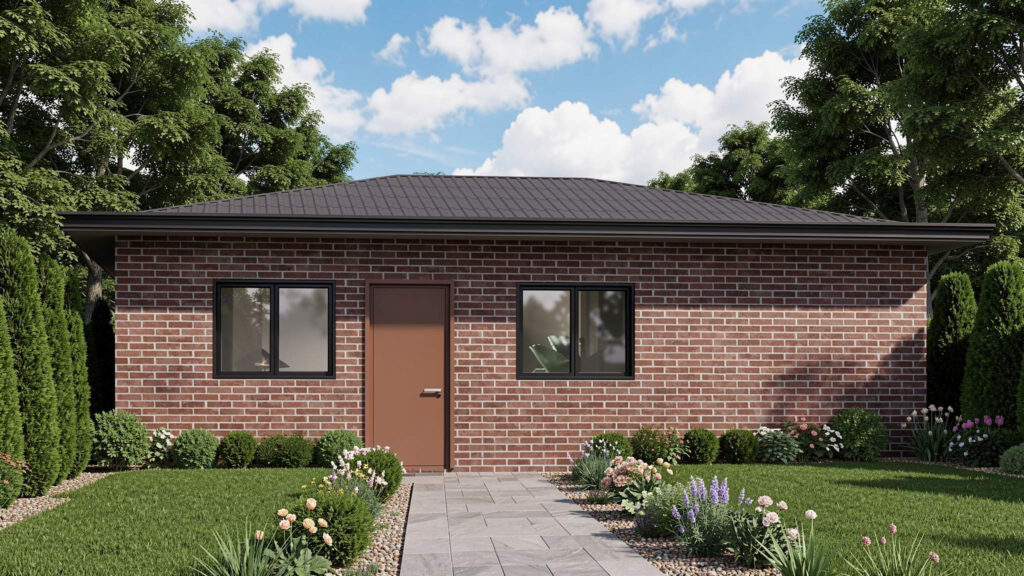
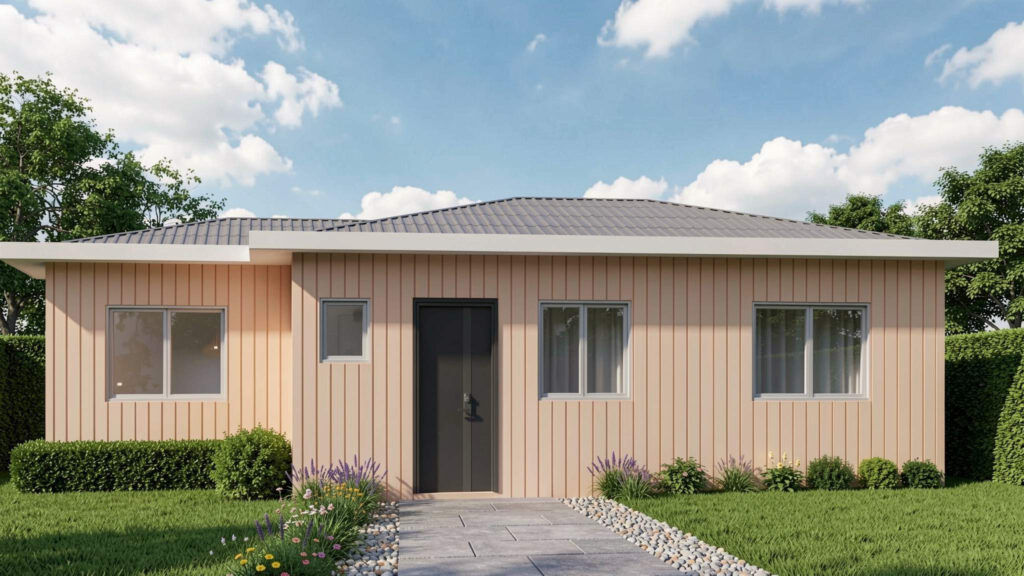
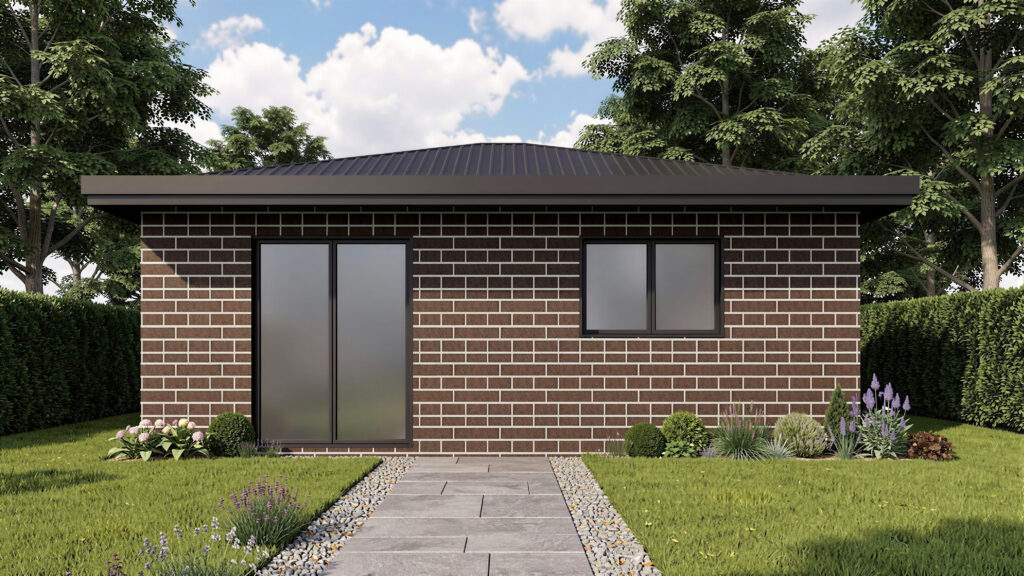
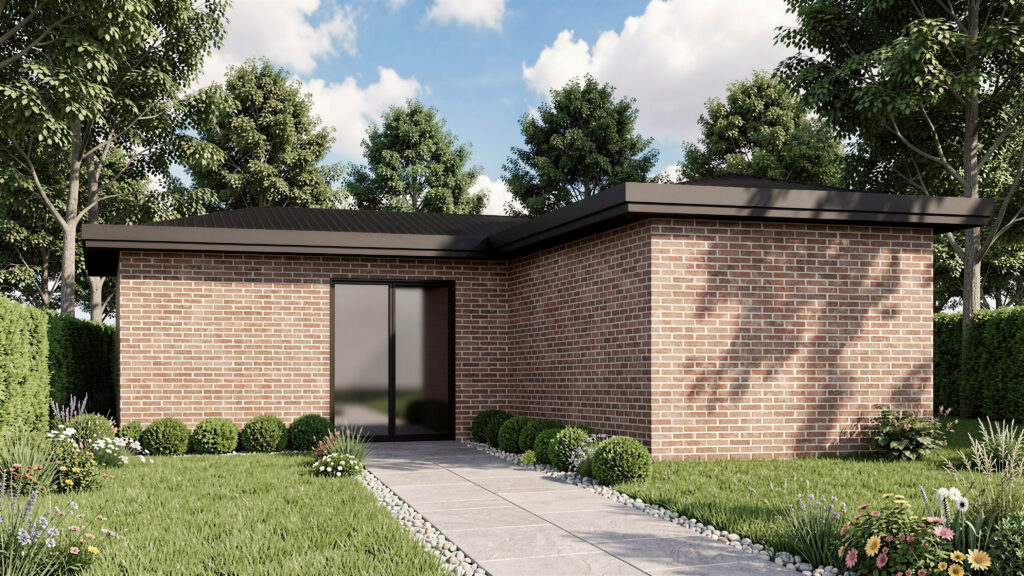
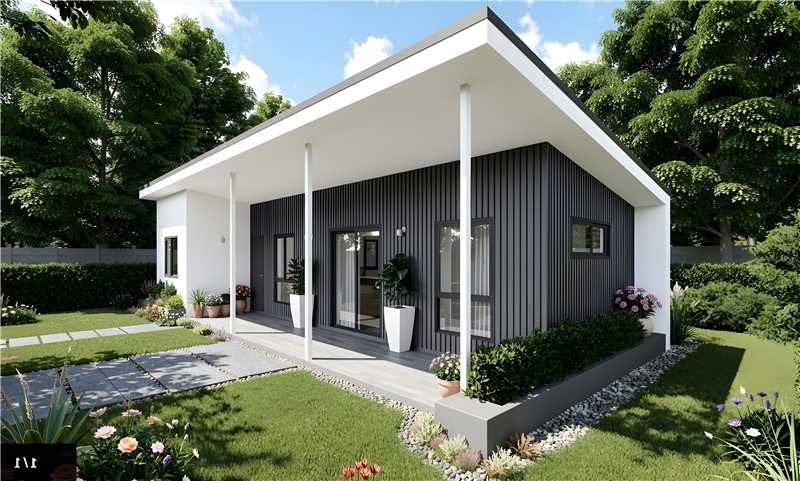
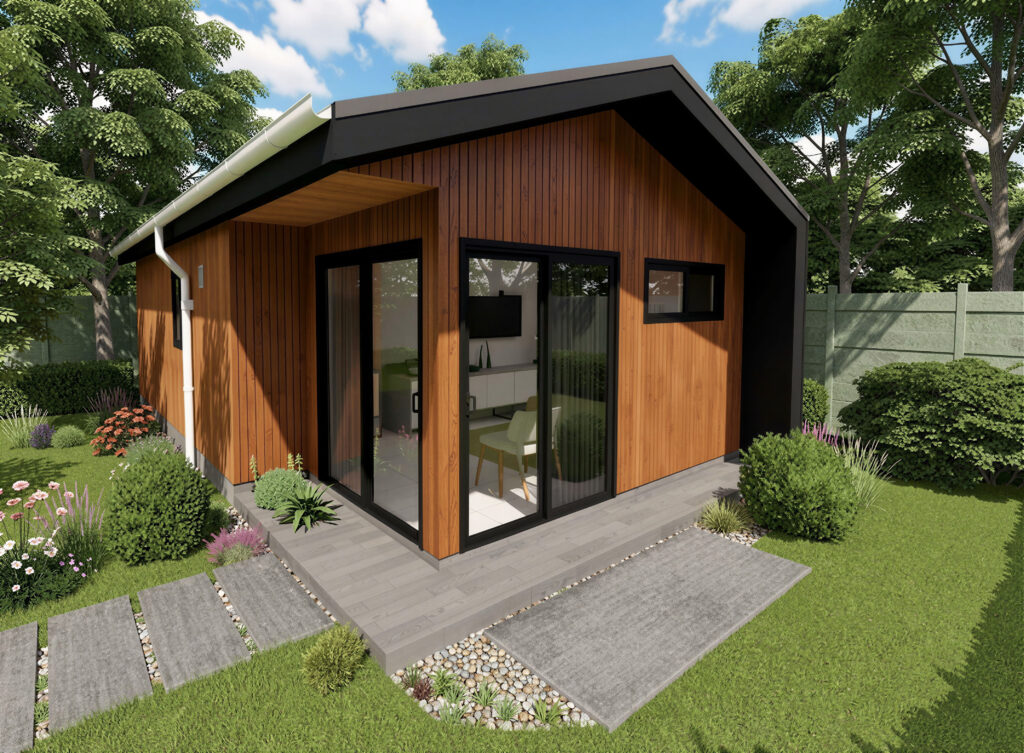
Each GrannyFlow project begins with a detailed understanding of the homeowner’s property, goals and constraints — from investment-focused one-bedroom builds to larger family homes across Sydney’s Western suburbs, Inner West and beyond

Seraphinite AcceleratorOptimized by Seraphinite Accelerator
Turns on site high speed to be attractive for people and search engines.